Warning: Late repayment can cause you serious money problems. For help, go to moneyhelper.org.uk. We are a broker, NOT a lender.

Warning: Late repayment can cause you serious money problems. For help, go to moneyhelper.org.uk. We are a broker, NOT a lender.
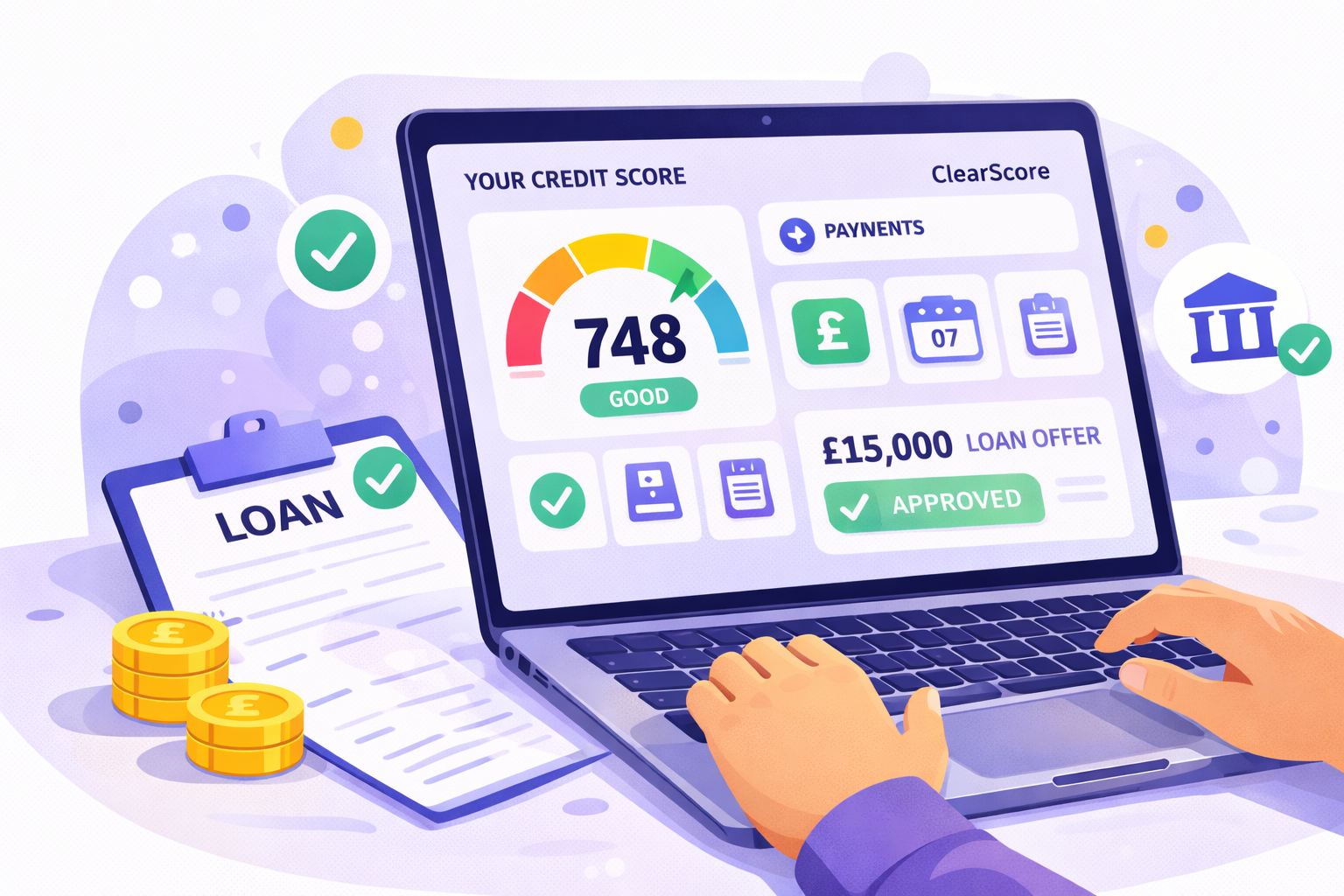
Your credit score is one of the most important factors lenders use when deciding whether to approve your loan application. Whether you are applying for a personal loan, car finance, or mortgage, having a strong score can help you secure better interest rates and more flexible terms.
In this guide, we will explain what your credit score means, why it matters for getting a loan, and practical steps to increase your credit score in the UK and build credit fast without taking unnecessary risks.
Your credit score is one of the most important factors lenders use when deciding whether to approve your loan application. Whether you are applying for a personal loan, car finance, or mortgage, having a strong score can help you secure better interest rates and more flexible terms.
In this guide, we will explain what your credit score means, why it matters for getting a loan, and practical steps to increase your credit score in the UK and build credit fast without taking unnecessary risks.
A credit score is a number that represents your borrowing reliability. It is based on information in your credit report, such as your payment history, credit utilisation, and overall debt levels and is provided by agencies like Experian UK, Equifax, and TransUnion.
When you apply for a loan, lenders use your credit score to assess how likely you are to repay what you borrow. A higher score usually means lower risk, which makes it easier to qualify for loans and access better interest rates.
In the UK, credit scores typically range from 300 to 999, depending on the reporting agency. A score above 700 is generally considered good, while scores below 560 may limit your loan options or increase costs.
If you have a high credit score for a loan, lenders are more confident in your ability to repay. This can lead to:
On the other hand, a low score may result in:
You can still access borrowing options with a less-than-perfect score, but you may need to explore lenders who specialise in helping people with limited credit history or past financial issues. For guidance on rebuilding credit, read Debt Camel, a trusted UK blog that breaks down common credit repair strategies in plain English.
Before improving your score, you need to know what’s in your credit file. Check your report at least every few months through services like ClearScore or Credit Karma UK.
Look out for:
If you find an error, you can raise a dispute directly with the credit reference agency. Correcting mistakes can give your score a quick and easy boost.
Payment history makes up a significant part of your credit score. Setting up direct debits or automatic payments helps ensure you never miss a bill. Even one missed payment can stay on your record for up to six years.
Consistent, on-time payments show lenders that you are reliable and financially responsible.
For helpful guides on automating payments and budgeting, see Be Clever With Your Cash.
Your credit utilisation ratio is how much of your available credit you are currently using. Keeping your usage below 30 percent of your limit can significantly increase your score.
For example, if you have a credit card with a £1,000 limit, try to keep the balance below £300. Paying off your balance early each month, or spreading spending across multiple cards, helps maintain a healthier ratio.
If you need extra tips on managing balances, MoneySavingExpert has detailed advice on improving credit utilisation responsibly.
Building credit fast doesn’t mean taking on large debt. Instead, focus on small, safe actions that demonstrate good borrowing behaviour:
For a down-to-earth guide to building credit sensibly, read Skint Dad, which shares real experiences and practical credit tips.
Each time you apply for credit, a hard search appears on your report. Multiple searches in a short period can signal risk to lenders and may lower your score temporarily.
Before you apply, use loan eligibility checkers that perform soft searches only. These tools show your likelihood of approval without impacting your credit rating.
Learn more about responsible loan shopping at MoneyMagpie, a UK personal finance blog that focuses on everyday money management.
Improving your credit score is as much about mindset as it is about numbers. Keeping your accounts stable, avoiding unnecessary debt, and living within your means all contribute to long-term success.
If you struggle with budgeting or keeping track of payments, try setting up spending alerts or using budgeting apps. Financial stability over time is what makes the biggest difference to your credit score.
For more personal insights on managing credit and debt, check out Mrs Mummypenny.
You can start seeing improvements in your credit score within two to three months, especially if you pay bills on time, clear existing debts, and keep your credit utilisation low. However, significant increases such as moving from poor to good, can take six to twelve months or more, depending on your situation.
Consistency is key. Even small improvements can make a noticeable difference when applying for your next loan.
A healthy credit score is one of the best financial assets you can have. By checking your report regularly, paying on time, using credit responsibly, and avoiding unnecessary applications, you can steadily increase your credit score in the UK and position yourself for better loan options.
Improving your credit score doesn’t have to be complicated. By following the guidance from trusted sources like Experian, MoneySavingExpert, and niche blogs such as Skint Dad and Be Clever With Your Cash, you can make smarter financial decisions and reach your borrowing goals faster.
Start small, stay consistent, and remember that every positive action brings you closer to loan approval on your terms.
November 27, 2025

Hey, I’m A.J! I’ve got 20 years’ experience in consumer broking and I’m passionate about helping people make smart financial choices. I’m here to give clear, practical advice and be a champion for customers like you.
Learn moreGet your personalised loan quote now and see your options in minutes.
GET A LOAN QUOTE NOW